Guest post by Souraa Shantikari.
Most trade show pipeline is won or lost before anyone sets foot on the show floor. Teams spend months and a large budget to be there, then run their outreach in the final week, when every other exhibitor is emailing the same people. The booth becomes a place to hope for walk-ups instead of a place to close meetings that were already on the calendar.
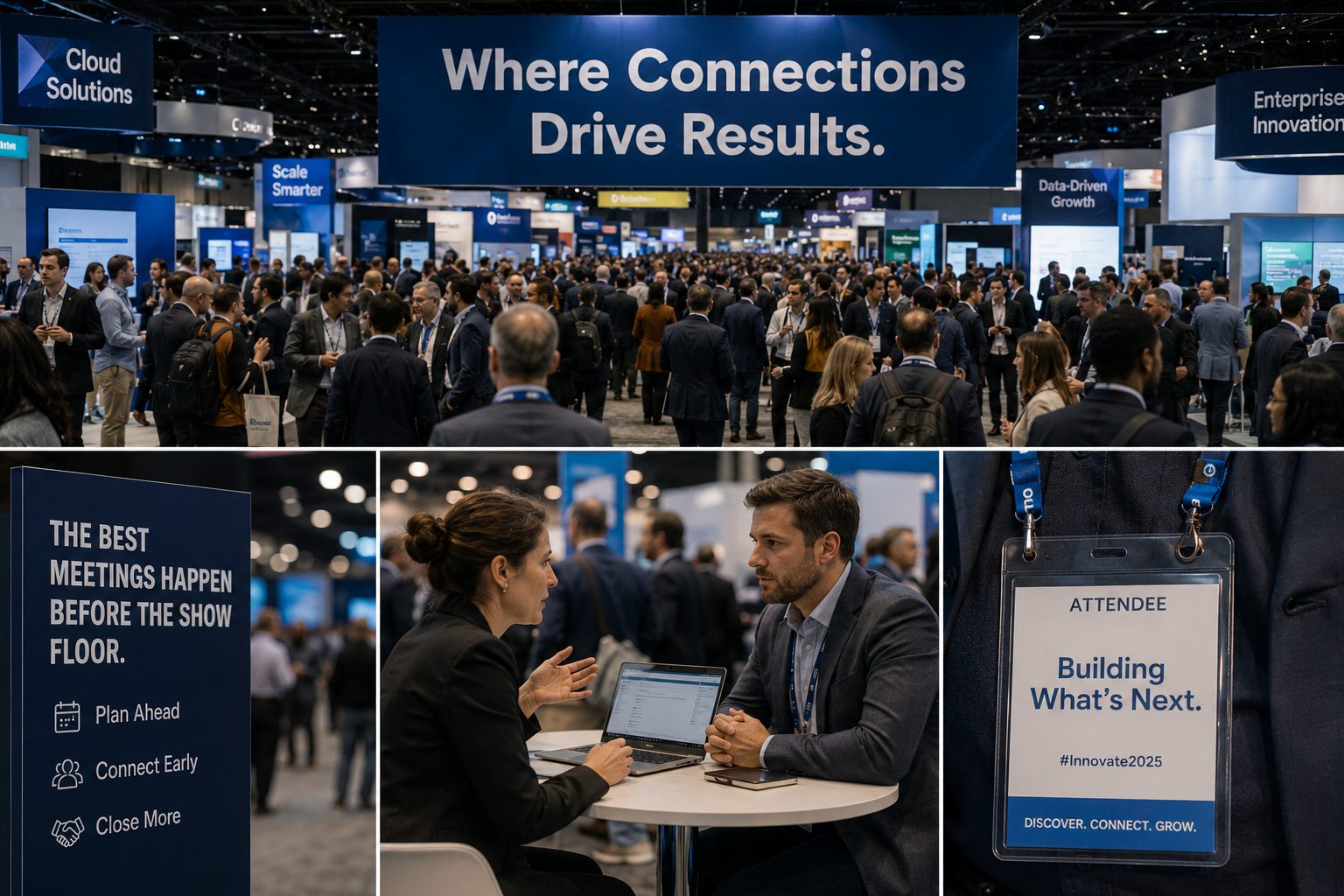
We looked at 195,765 public LinkedIn posts where someone announced they were attending a B2B event, then measured how many days before the event each post went live. The median was about 16 days. More than half of attendees posted at least two weeks out. Roughly 85% posted at least a week before the doors opened, and one in five posted a full month or more ahead.
Read that again. By the time most exhibitor teams start their pre-show emails, the buyers have been publicly telling the world they are going for two weeks already.
The pre-show window opens earlier than most teams think
If the median attendee is announcing 16 days out, your outreach window is not the week of the show. It is the three weeks before it.
That gap is the whole opportunity. An SDR who reaches a prospect twelve days before the event is having a calm conversation about a specific reason to meet. An SDR who reaches the same prospect the night before is competing with fifty other unread emails and a packed agenda. Same person, same offer, completely different odds, and the only variable that changed was timing.
Build your calendar around three phases:
- Weeks 3 to 2 out This is where the highest-intent people surface first. Start reaching the early announcers as they appear, one at a time, with a real reason to meet.
- Weeks 2 to 1 out The bulk of attendees announce here. Run your main sequence and start firming up specific meeting slots.
- Final week Confirmations, logistics, and a light net for late deciders. Not the place to start cold.
The teams that win treat pre-show outreach as a rolling motion that starts three weeks out, not a single blast that goes out on Monday of show week.
Build the list from intent, not the registration dump
Timing only helps if you are reaching the right people. This is where most pre-show outreach quietly falls apart.
The default move is to buy or beg for the organizer’s registration list. That list has two problems. It is often stale or padded, and everyone else exhibiting has the exact same file, so your “personalized” outreach lands next to ten identical emails. A registration record also tells you almost nothing. It says a person signed up at some point. It does not tell you they are still going, that they care, or that now is a good moment to reach them.

Public intent is a stronger signal. When a buyer posts that they are attending an event, they have told you three useful things at once: they are going, they are thinking about it right now, and they have handed you a specific detail to reference. That is a warmer starting point than a name on a spreadsheet.
You can gather these signals by hand. Track the event hashtag, watch the organizer’s page, and note who comments that they will be there. It is slow but real. If you would rather not do it manually, a set of verified attendee email templates and attendee data pulled from those public posts can give you the same intent signal at scale, across a full event rather than a handful of profiles you happened to catch. The point is the source. Reach people because they said they are going, not because they appeared on a list.
The three-touch pre-show sequence
Keep it short. Three touches over the pre-show window is plenty, and each one should earn the next.
Touch one, the relevance open: Lead with why you are reaching out now, tied to the event and to something specific about them. No pitch yet. The goal is a reply, not a booking.
Touch two, the reason to meet: Give one concrete, self-interested reason for them to spend fifteen minutes with you at the show. Tie it to a problem their role actually has. Offer two specific time windows so the decision is easy.
Touch three, the easy yes: A short nudge with a calendar link and a single sentence on what they get. If they do not bite, you have lost nothing and stayed on their radar for the show floor.
That is the spine. If you want the actual copy for each stage, these pre-show, at-show, and follow-up email templates cover the full arc and are built to be edited, not sent as-is.
Personalize with the post, not the pity
Personalization at events has a bad reputation because most of it is fake. “I see you are in SaaS” is not personalization. It is a mail merge with extra steps.
The public post fixes this. When someone announces they are attending, they usually say something about why: a session they are excited for, a product they want to see, a team they are bringing, a talk they are giving. Reference that. “Saw you are heading to the show for the payments track, we are two booths down and working on the same problem” is a real opening. It proves you paid attention, it is specific to them, and it took thirty seconds because they handed you the detail.
The rule is simple. If your first line could be sent to a thousand people, it is not personalization. If it could only be sent to one, it is.
What to actually measure
Booth scans and badge counts are vanity numbers. They tell you traffic, not outcomes.
Measure the things that map to pipeline. How many qualified meetings did you book before the show started. What share of them showed up. How many moved to a next step within a week of the event. Reply rate on your pre-show sequence, broken out by how early you reached each person, so you can see the timing effect in your own data next time.
Track those four and your pre-show program stops being a leap of faith. It becomes a repeatable motion you can tune every event.
The short version
Trade show ROI is decided in the three weeks before the show, not on the floor. The data is clear on the window: the median B2B attendee announces about 16 days out, and most are public at least a week ahead. Reach them in that window, source your list from people who actually said they are going, keep the sequence to three sharp touches, and personalize with the detail they already gave you. Do that and you walk into the show with a calendar, not a hope.
—
Souraa is the founder of WhoGoes, a platform that surfaces verified B2B event attendees from public LinkedIn posts across 1,200+ trade shows and conferences.